

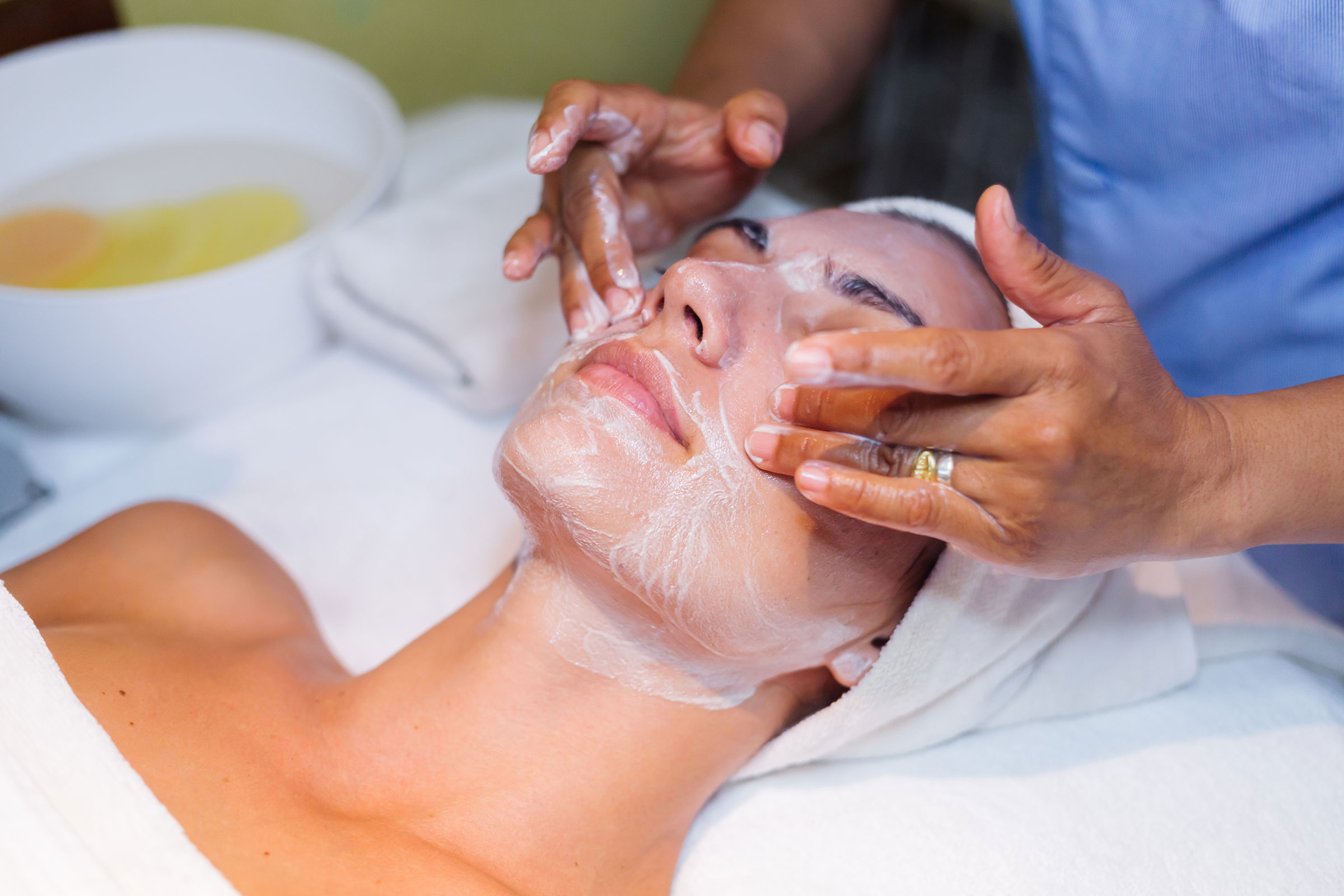
Chemical peels can help improve skin texture, tone, and overall appearance, but the treatment does not end when you leave your appointment. How you care for your skin afterward can make a big difference in how comfortable the recovery feels and how your skin responds.
If you are considering a chemical peel for the first time, it is normal to have questions about peeling, redness, makeup, sun exposure, and when you will start to see results. The exact experience depends on the type and strength of peel you receive, but there are a few things most people can expect.
What Happens Right After a Chemical Peel?
Your skin may look slightly pink or red after treatment and can feel warm, tight, or more sensitive than usual.
With a lighter peel, these effects may be fairly mild and may settle down quickly. Stronger treatments can cause more noticeable redness, dryness, and peeling.
Your provider should give you specific aftercare instructions based on the treatment you received. Following those recommendations is important because your skin will be more sensitive while it heals.
When Does Peeling Start?
Peeling does not always begin right away.
For many people, visible flaking starts a few days after treatment. Some may notice light dryness around the nose, mouth, or chin, while others may experience more noticeable peeling across larger areas of the face.
A lighter peel may cause very little visible shedding at all. That does not mean the treatment was ineffective. Skin renewal can still take place even when peeling is minimal.
The main thing is to let the skin shed on its own rather than trying to speed up the process.
What Should You Avoid After a Chemical Peel?
Your skin needs time to recover, so it is best to keep your routine simple for a few days.
Your provider may recommend temporarily avoiding products that contain:
- Retinoids
- Exfoliating acids
- Scrubs
- Benzoyl peroxide
- Other active ingredients that may cause irritation
Avoid picking or pulling at peeling skin. It can be tempting, especially when flakes become noticeable, but letting the skin come off naturally can help reduce irritation and lower the risk of discoloration.
It is also a good idea to hold off on other treatments until your skin has fully settled.
How Should You Care for Your Skin During Recovery?
Gentle skincare is usually the best approach after a peel.
Use a mild cleanser, apply moisturizer as recommended, and avoid products that sting or make your skin feel more irritated. Keeping the skin moisturized can help with tightness and dryness as peeling begins.
You may also want to simplify your normal routine for several days. Instead of layering multiple serums and active products, focus on keeping the skin clean, comfortable, and protected.
Recovery is really about giving your skin time to do its job.
Why Is Sunscreen So Important After a Chemical Peel?
Sun protection is one of the most important parts of chemical peel aftercare.
Freshly treated skin can be more sensitive to UV exposure, which means it may be more prone to irritation or uneven pigmentation if it is not protected properly.
Wear a broad-spectrum sunscreen every day and try to limit unnecessary sun exposure while your skin is healing. A hat can also help if you plan to spend time outdoors.
This is especially important in the first several days after treatment, when the skin may be more vulnerable.
Can You Wear Makeup After a Chemical Peel?
That depends on the type of peel and how your skin looks and feels afterward.
After a lighter treatment, some people may be able to return to makeup fairly quickly. If your skin is still red, peeling, or sensitive, it is usually better to wait until it feels more comfortable.
Heavy makeup can sometimes make dry or peeling skin look more noticeable, and applying or removing it may cause extra irritation.
Your provider can give you a better idea of when it is safe to resume your normal makeup routine.
When Will You Start Seeing Results?
Results usually become more noticeable as the skin finishes peeling and the surface starts to look smoother and more even.
Depending on the type of peel and your treatment goals, you may notice improvements in:
- Skin texture
- Dullness
- Uneven tone
- Mild discoloration
- Fine lines
- Overall brightness
The timeline can vary from person to person. Some people may see improvement after one treatment, while others may benefit from a series of peels over time.
Your provider can help set realistic expectations based on your skin and the type of peel you receive.
How Often Can You Get a Chemical Peel?
The right schedule depends on the strength of the peel, your skin type, and what you are hoping to improve.
Lighter peels may be done more often, while stronger treatments usually require more time between appointments.
Your skin needs enough time to recover before another treatment is performed. More frequent treatment is not always better, especially if the skin has not fully healed.
A personalized treatment plan can help determine the right timing for you.
Is a Chemical Peel Right for You?
Chemical peels can be a good option for a range of skin concerns, but they are not the right choice for everyone.
Your provider should consider your skin type, current routine, medical history, recent treatments, and overall goals before recommending a peel.
Certain medications, active skin conditions, or recent procedures may affect which treatments are appropriate.
A consultation can help determine whether a chemical peel makes sense for your skin and what type of treatment may be the best fit.
Considering a Chemical Peel in Wayzata?
Knowing what to expect after a chemical peel can make the process feel much more manageable.
At Wayzata Medical Spa, our team can help you understand your options, prepare for treatment, and follow the right aftercare routine based on your skin and goals.
If you are considering a chemical peel, contact Wayzata Medical Spa to schedule a consultation and learn more about what treatment may be right for you.
